



Reinhibiting
Extend Transformer Life by Restoring Oxidation Protection
Why Oxidation Is Costing You Reliability
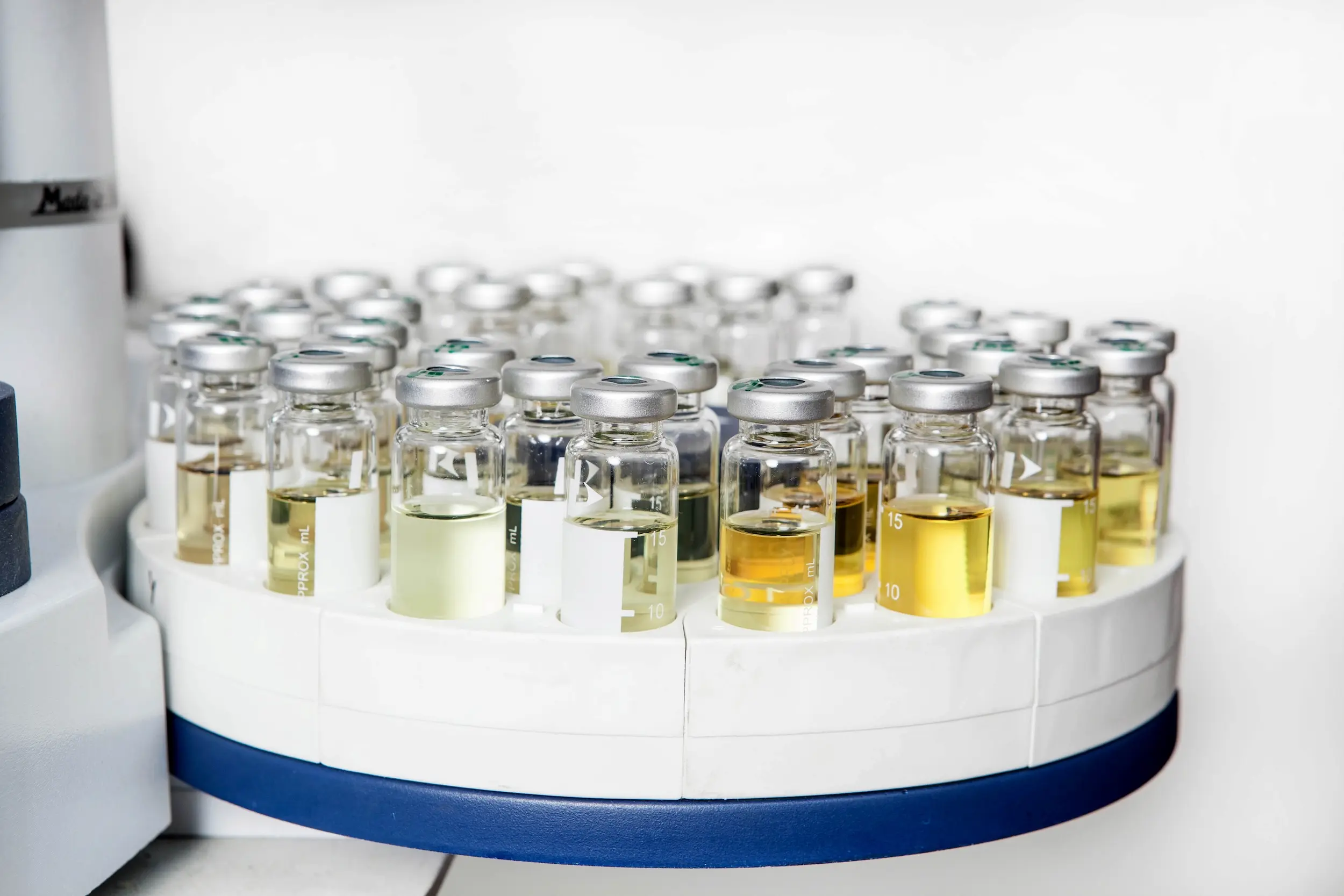
Every energized transformer faces an invisible threat: oxidation. When inhibitor levels drop below critical thresholds, oxygen and heat combine to create a cascade of destructive by-products — acids, esters, peroxides, moisture, and sludge. These contaminants don't just degrade your oil; they accelerate aging throughout your entire insulation system.
4 Reasons to Reinhibit:

Extend Equipment Life

Prevent Costly
Failures

Protect Oil and Insulation

Minimize Downtime
The SDMyers Reinhibiting Solution
Restore critical protection and reset the aging clock.
With over 60 years of transformer maintenance experience, SDMyers has refined the science of oxidation inhibitor restoration. Our reinhibiting service doesn't just top off inhibitor levels — it comprehensively restores your transformer's defense against oxidation damage. The result? Transformers that deliver significantly more operational hours and reliable performance well beyond their expected service life.
Our data-driven approach combines:
- Precise inhibitor analysis to determine optimal dosing
- Field-proven application methods for complete distribution
- Energized processing capability to eliminate costly downtime
- Quality verification to ensure protection is restored
How We Restore Transformer Protection
01
Analyze & Assess
We begin with comprehensive oil analysis to determine current inhibitor levels, oxidation state, and overall oil condition. This baseline data guides our reinhibiting strategy and dosing calculations.
02
System Preparation
Our technicians prepare your transformer for inhibitor injection, ensuring proper connection points and verifying safe processing conditions — including evaluation for energized reinhibiting when downtime isn't an option.
03
Inhibitor Application
Using specialized equipment and field-proven techniques, we introduce the precise quantity of oxidation inhibitor throughout your transformer system. Our methods ensure complete distribution and mixing for uniform protection.
04
Verify & Document
Post-treatment sampling confirms inhibitor levels meet optimal specifications. You receive complete documentation including before/after analysis, processing parameters, and recommendations for ongoing monitoring.
Why Reinhibit With SDMyers?

60+ years of proven experience that delivers results.
SDMyers specializes exclusively in transformer reliability, with thousands of successful reinhibiting operations across North America and extensive data demonstrating significant life extension from proper inhibitor maintenance.

Energized processing expertise.
Few service providers have the experience, equipment, and safety protocols to safely reinhibit energized transformers. Our specialized training and proven methodologies allow us to restore protection without the costly downtime most companies require.

Complete service integration.
Reinhibiting is most effective as part of a comprehensive maintenance strategy. We can combine inhibitor restoration with oil degassing and vacuum processing, moisture reduction services, hot oil cleaning and filtration, and ongoing monitoring through Transformer Dashboard® or Guardian Monitoring®.

National coverage, local response.
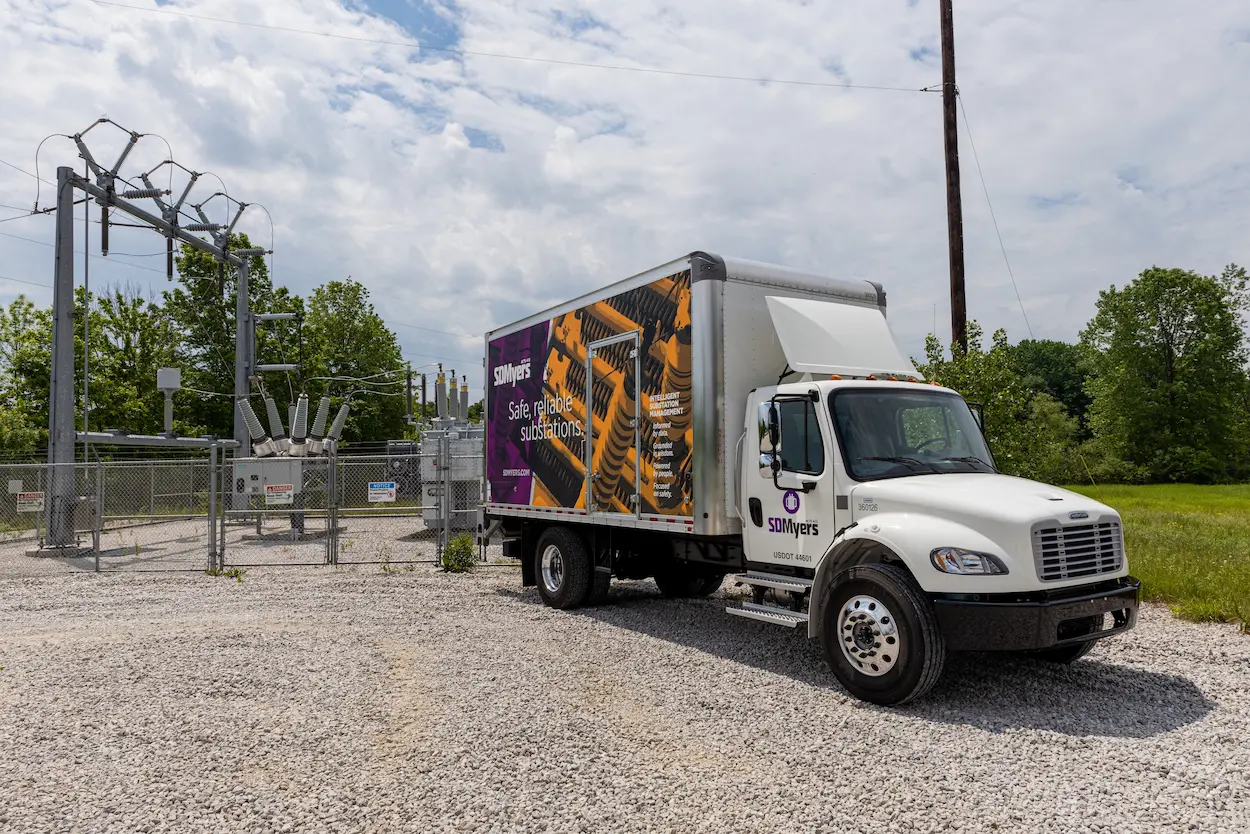
With strategically-located service centers and mobile equipment fleet, we deliver expert reinhibiting services wherever your transformers are located — with response times that keep your maintenance schedule on track.
Certifications & Partnerships
Powered by industry-respected accreditations, certifications, and partnerships to deliver accurate testing, sound diagnostics, and safe fieldwork.




Resources
We’re the transformer experts so you don’t have to be. Explore resources backed by 60+ years of end-to-end transformer care experience and diagnostics data.
Frequently Asked Questions
Reinhibiting is a maintenance process that restores oxidation inhibitor levels in transformer oil. These inhibitors slow the chemical reactions that cause oil degradation, helping protect both the insulating fluid and the solid insulation system.
Low inhibitor levels allow oxidation to progress rapidly. This can result in:
- Increased acidity in the oil
- Sludge buildup that restricts cooling
- Accelerated paper insulation aging
- Higher risk of failure and unplanned outages
The only way to know for sure is through oil analysis. If testing shows inhibitor levels below recommended thresholds — or signs of oxidation such as increasing acid number or sludge formation — reinhibiting is likely needed.
Inhibitor levels should be checked as part of routine oil analysis, typically annually or based on your maintenance program. More frequent testing may be recommended for critical assets.
Yes, in many cases reinhibiting can be safely performed on energized transformers. This minimizes downtime and allows facilities to maintain operations while restoring protection. However, suitability depends on transformer condition and must be evaluated by experts.
Talk with a Transformer Expert
Get a free quote or consultation — we’re here to help.
Call (330) 630-7000 or fill out the form to connect with an SDMyers transformer expert today.