



Load Tap Changer Services
Protect Your LTC and the Transformer Connected to It
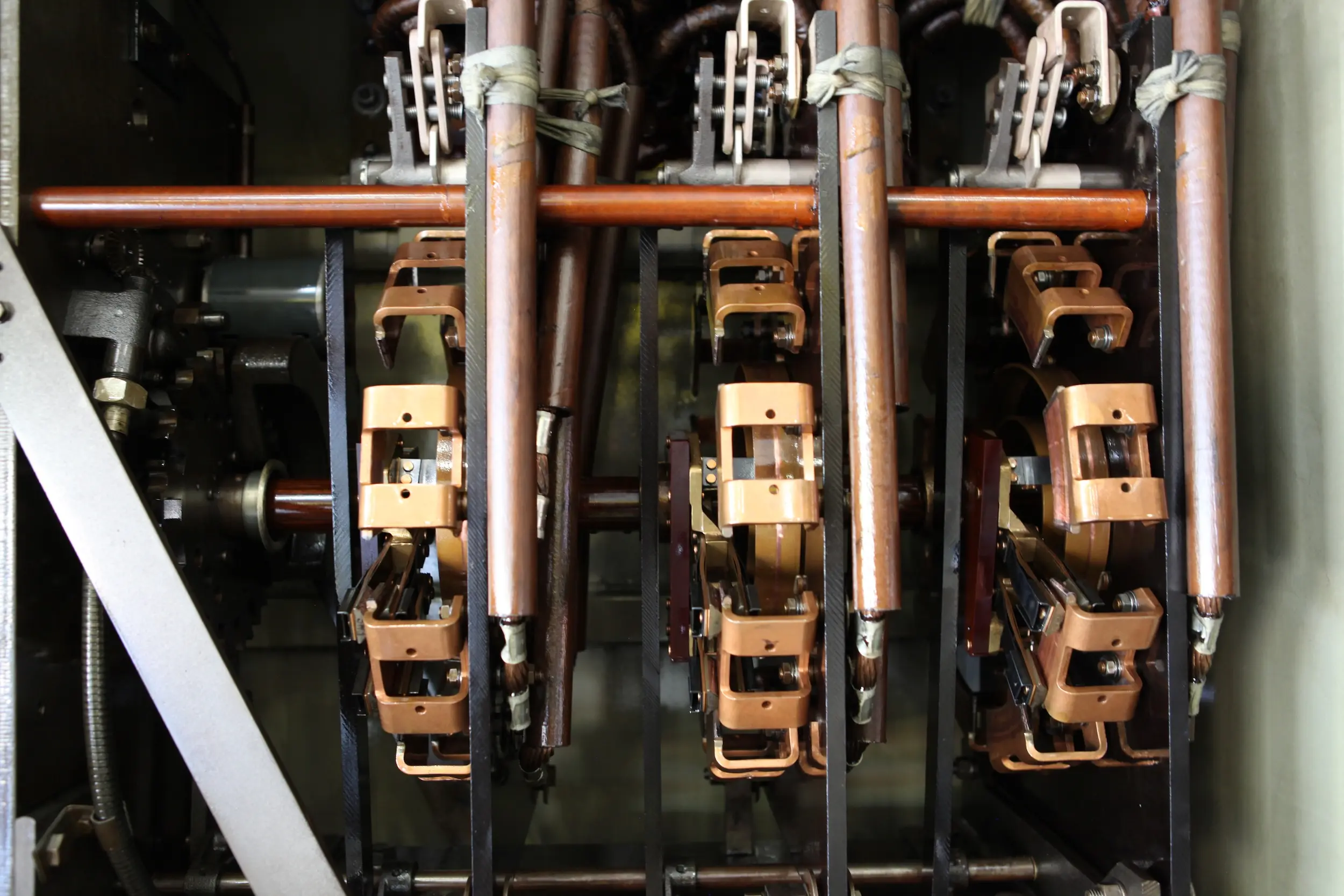
Protect Your LTC With Scheduled Maintenance And Testing
The moving parts of a load tap changer make it far more susceptible to routine wear and tear than passive components. When an LTC fails, it can take the transformer with it. Protect this vulnerable component of your electrical system with regular inspection and testing.
With regular oil testing and analysis, you’ll know when it is time to calibrate or replace wear parts and perform maintenance before they become a legitimate threat to your operation.
What Does an LTC Inspection Reveal?

Mechanical faults
Worn springs, bearings, and loosened or dislodged contacts can cause suboptimal LTC operation, leading to prolonged arcing under heavy loads and shortened equipment life.

Electrical faults
Excessively worn or heavily coked contacts, can lead to burned or welded components and potential failure of the unit.

Fluid filming and moisture content
Fluid filming and moisture content can seriously hinder the insulating effect of the oil and lead to overheating.

Faulty gaskets
Faulty gaskets can result in cross-contamination of LTC and transformer oil. This condition can sometimes be seen in ratios of combustible gases.
Certifications & Partnerships
Powered by industry-respected accreditations, certifications, and partnerships to deliver accurate testing, sound diagnostics, and safe fieldwork.



Resources
We’re the transformer experts so you don’t have to be. Explore resources backed by 60+ years of end-to-end transformer care experience and diagnostics data.
Frequently Asked Questions
A load tap changer (LTC) is a component inside certain transformers that regulates voltage by adjusting transformer winding ratios while the transformer remains energized. It allows utilities and facilities to maintain consistent voltage without interrupting service.
LTC maintenance is critical because the component contains moving parts that are subject to wear. In fact, a significant percentage of transformer failures are linked to LTC issues. Without regular maintenance, small mechanical or electrical problems can escalate into catastrophic transformer failure.
Inspection frequency depends on operating conditions, load demands, and manufacturer recommendations. However, most LTCs benefit from routine inspections every 1–3 years, combined with ongoing oil testing to detect early warning signs.
Yes. Oil testing and analysis are key tools for identifying LTC issues early. Abnormal gas levels, contamination, or changes in oil properties can indicate arcing, overheating, or internal component degradation.
Yes. Even if transformer oil tests are within acceptable ranges, the LTC operates as a separate system with its own oil compartment and mechanical components. It requires independent inspection and maintenance.
Components should be repaired or replaced when inspections or oil analysis indicate:
- Excessive wear
- Electrical damage
- Corrosion
- Performance degradation
Proactive replacement helps avoid unexpected failures.
Connect with a Reliability Expert
Get a free quote or consultation — we’re here to help.
Call (330) 630-7000 or fill out the form to connect with an SDMyers transformer expert today.