



Dissolved Gas Analysis (DGA)
The Industry Standard for Transformer Fault Detection
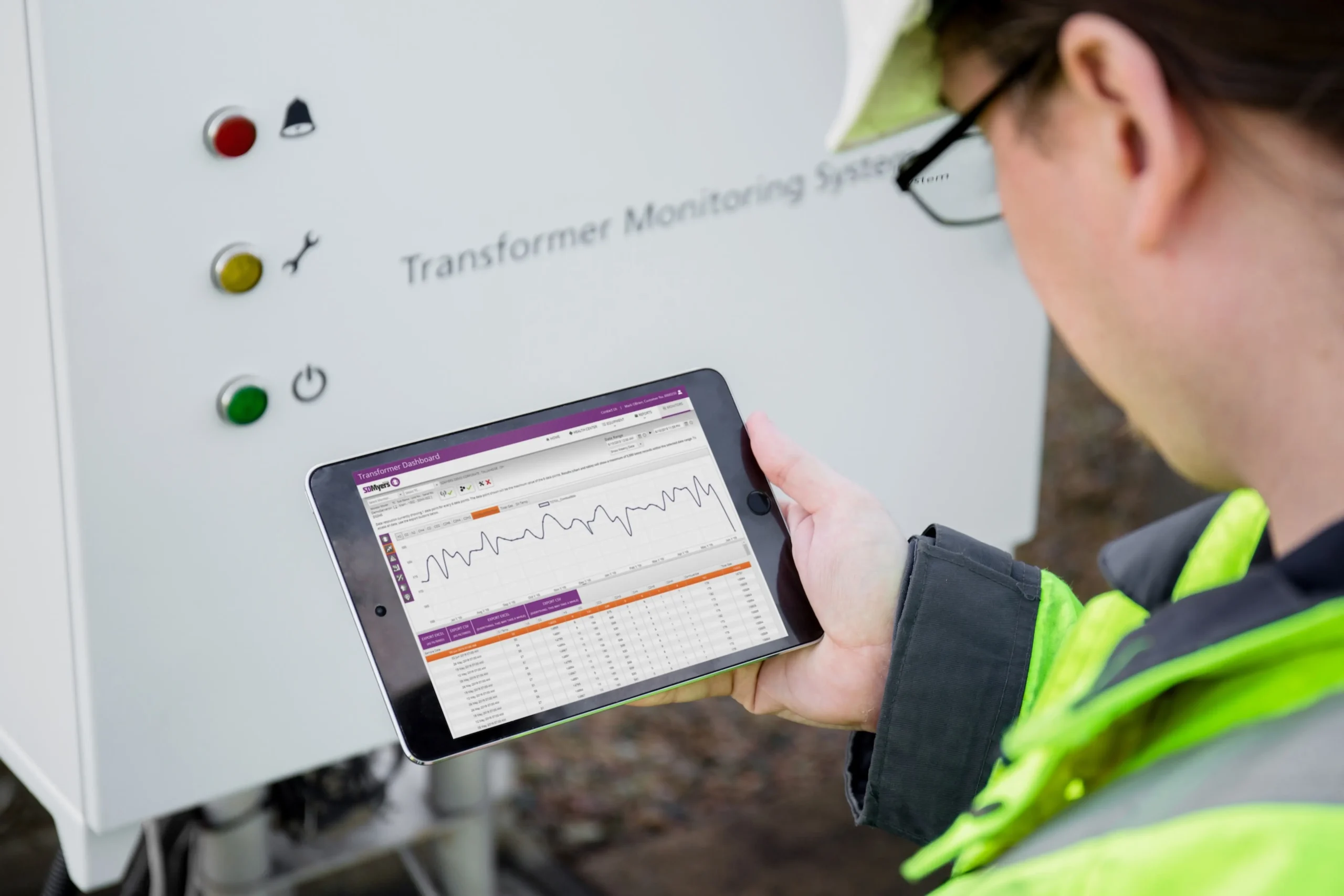
What DGA Reveals and Why It Matters
When electrical or thermal faults occur inside a transformer, they generate specific gases that dissolve in the oil. Dissolved gas analysis identifies those gases — their type, concentration, and trend over time — to give you a precise picture of what's happening inside your equipment, often months before a fault becomes a failure.
Unplanned transformer failures don't just damage equipment. According to Aberdeen Research, they cost an average of $260,000 per hour in downtime, and 82% of companies experience unplanned outages within three years. DGA gives you the early warning you need to act on your schedule — not during an emergency.
4 Reasons to Perform DGA Testing:

Protect Your Assets

Maximize Uptime

Maintain Confidence

Peace of Mind
Expert Analysis Behind Every Sample
A reliable DGA assessment goes beyond measuring gas levels. Our specialists evaluate:
- Gas concentrations — The type and quantity of gases present identify specific fault conditions inside your transformer.
- Trends over time — Changes in gas levels between samples often reveal more than a single reading alone.
- Transformer age and design — Older equipment and different transformer types have different baselines and tolerances.
- Service history and environmental factors — Voltage stresses, load history, and operating environment all influence how results are interpreted.
How Our DGA Process Works
01
Inspect & Sample
Our Field Inspection Technicians (FITs) safely inspect and collect oil samples from energized transformers and ship them directly to our accredited lab for precise DGA testing.
02
Test & Analyze
Every sample is evaluated by trained transformer specialists using proven diagnostic methods and one of the world's largest transformer fluid testing databases.
03
Clear Recommendations
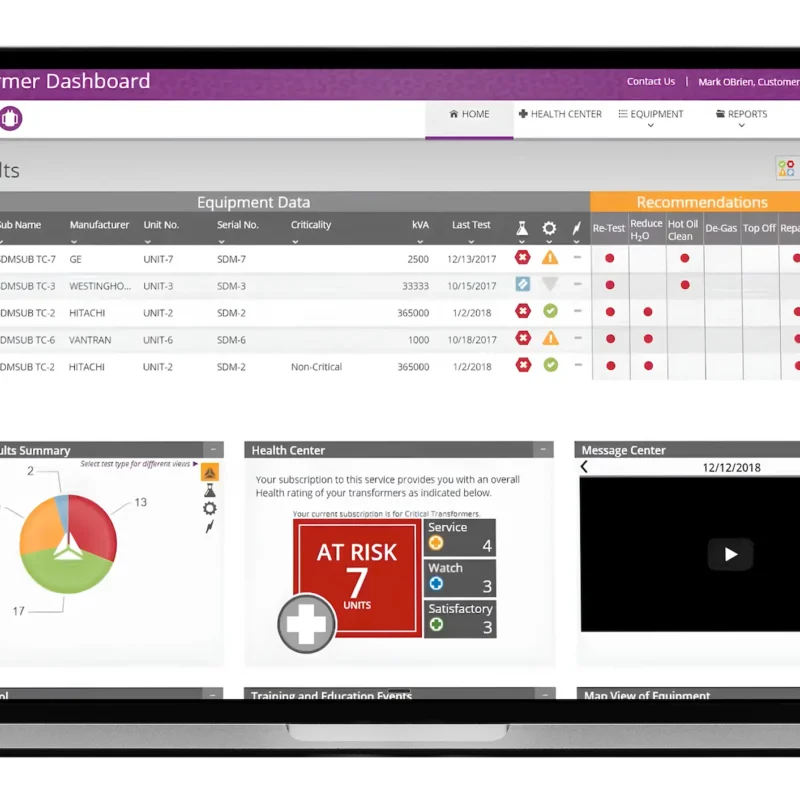
Results are delivered in plain language through your Transformer Dashboard®, with tailored recommendations ranging from increased monitoring to maintenance interventions — so you always know what to do next.
What the Gases in Your Oil Are Telling You

Electrical & Arcing Faults:
- Acetylene: Indicates arcing, sparking, and severe overheating
- Hydrogen: Accompanies most transformer faults and signals the need for deeper analysis
Thermal Faults:
- Methane: Low-energy thermal faults
- Ethane: Thermal faults starting around 250°C
- Ethylene: Higher temperature faults (concentration increases with temperature)
Insulation Degradation:
- Carbon Monoxide & Carbon Dioxide: Elevated levels indicate cellulose insulation breakdown
- Oxygen & Nitrogen: Suggest air ingress, accelerating insulation degradation
Straight From Our Experts
Ready to Protect Your Transformers?
Gain Clear Insights — Before Problems Occur
Call (330) 630-7000 or fill out the form to connect with an SDMyers transformer expert today.
Resources
We’re the transformer experts so you don’t have to be. Explore resources backed by 60+ years of end-to-end transformer care experience and diagnostics data.