


Infrared Thermography Becomes Standard for Electrical Maintenance
Overview
With the 2023 release of NFPA 70B as a recognized standard, annual infrared thermography for all electrical equipment—including transformers—is now a requirement. Here’s what you need to know.
How Changes to NFPA 70B Impact You
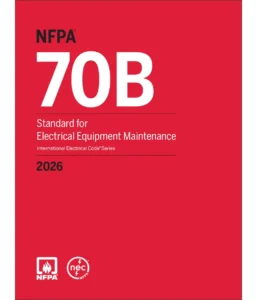
The NFPA 70B Recommended Practice for Electrical Equipment Maintenance has historically been just that—a recommendation. Since its inception in 1975, it was categorized as a recommended practice. As of January 2023, however, it became a recognized standard: the NFPA 70B Standard for Electrical Equipment Maintenance. The transition means that NFPA’s guidance on what should be done is now a standard for what must be done—setting the stage for OSHA enforcement.
Who Is the NFPA?
The NFPA is a global authority on fire, electrical, and building safety. The organization produces codes and standards addressing electrical safety and reliability, including work practices, equipment maintenance, regulatory compliance, and educational materials.
What Is the NFPA 70B Standard?
NFPA 70B is part of the National Electrical Code (NEC) family of documents and plays a central role in ensuring electrical safety and maintenance standards. It details preventive maintenance requirements for electrical, electronic, and communication systems and equipment—with the goal of preventing equipment failures and worker injuries.
NFPA 70B Quick Facts
- Consensus standard, effective January 16, 2023
- Current edition is 2026
- Used in conjunction with NFPA 70 – National Electrical Code® and NFPA 70E – Standard for Electrical Safety in the Workplace®
- Not intended to supersede or duplicate manufacturers’ recommendations
- Can become the basis for enforceable OSHA practices
- May be required by insurance companies as a condition for coverage
What’s New in NFPA 70B: Infrared Thermography Requirements
Several updates in the 2023 release relate to transformer maintenance intervals and annual liquid sampling and testing. Previously, maintenance intervals were only recommendations; they are now requirements.
“One of the most notable updates is that infrared thermography is now an annual requirement for all electrical equipment.”
Infrared thermography is a non-intrusive diagnostic technique used to detect patterns and differences in thermal radiation, making it a valuable tool for identifying potential issues in electrical equipment before they become critical. Failure modes vary by equipment type but may include imbalanced loads, overloaded circuits, loose connections, corrosion, or defective components.
By detecting and repairing these failure modes through infrared scanning, the likelihood of a breakdown can be significantly reduced. Installing IR windows on equipment further improves safety and reduces the cost of recurring inspections, since IR scanning through a window requires little-to-no downtime and allows for lower levels of PPE compared to energized open-panel inspections.
By requiring annual IR scanning for all electrical equipment, the NFPA aims to improve safety and reliability—minimizing the risk of equipment failures, fires, and other hazards associated with poorly maintained electrical systems.
Keeping You Compliant with Infrared Thermography
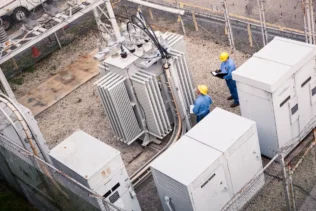
SDMyers has recommended annual IR scanning as part of best practices for transformer maintenance for several years. We believe IR scanning is a safe, efficient, and cost-effective way to ensure maximum reliability and safety for your electrical assets. The NFPA 70B standardization of infrared thermography may be new to some—but it is not new to us. Our field service experts and mobile diagnostic technicians are fully equipped and trained to perform IR scanning, install IR windows, and diagnose potential issues.
While transformer liquid testing is robust, it is not exhaustive. IR scanning is a proven complement that can be performed on energized equipment at the same time as liquid sampling, with minimal disruption, and provides a more complete picture of potential failure modes.
IR Scanning + Annual Liquid Sampling = Maximum Reliability
Combining infrared thermography with annual liquid sampling and DGA testing improves the accuracy of early diagnosis. Temperature anomalies detected by thermography can be cross-referenced with liquid analysis results to provide a more complete assessment of transformer health—helping identify problems early, reduce unplanned downtime, and extend transformer lifespan.
Additional Resources: Infrared Thermography Case Studies
- Bushing Hot Spots — IR scanning helped an industrial customer in New York identify a potentially unsafe bushing hot spot and plan a scheduled replacement.
- Main Tank Deficiency — IR scanning supported Dissolved Gas Analysis for a Pennsylvania-based company, identifying a potential transformer deficiency and informing strategic reliability planning.
- Cooling System Failure Mode — IR scanning helped a Michigan-based customer detect low liquid levels and a faulty gauge, preventing overheating and potential transformer failure.
Connect With Us
SDMyers mobile diagnostic technicians are trained and equipped to perform IR scanning—why not take advantage when they’re already at your facility? Contact our team to get started today.